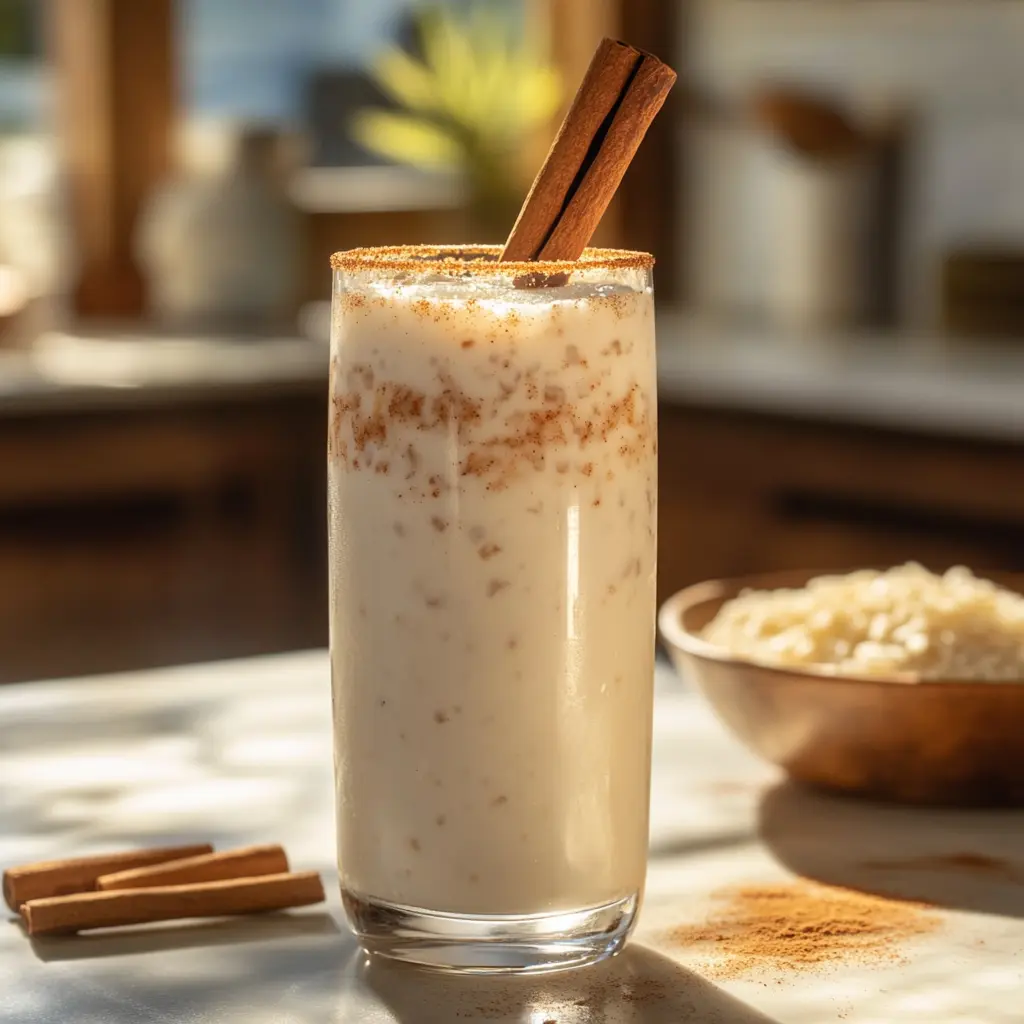
Horchata Explained: Sweet, Refreshing, and Easy to Make at Home
Few beverages capture the essence of sweetness, refreshment, and tradition quite like
horchata. This delightful plant-based drink, with its creamy texture and comforting flavor, has charmed palates across continents for centuries. From ancient origins as a simple tonic to its modern status as a beloved staple in Hispanic cultures,
horchata offers a unique blend of history, versatility, and irresistible taste. Whether you're seeking a cooling antidote to a spicy meal or simply a sweet treat, understanding the story and simple preparation of
horchata reveals why this drink is much more than just a sweet sip—it's a cultural icon.
A Journey Through Time: The Rich History of Horchata
The story of
horchata is as rich and layered as its flavor, tracing its roots back to the ancient world. Originally conceived as a barley-based drink, known as *hordeata*, in ancient Rome around the 2nd century BCE, this early rendition was described by Roman authors like Cato the Elder as a health-promoting elixir. The very name "horchata" derives from the Latin *hordeata*, meaning "barley drink," reflecting its humble medicinal beginnings.
As centuries unfolded, this ancient concept evolved. The beverage found a new home and a defining ingredient in medieval Europe, particularly refined in Valencia, Spain, during the Moorish period (711–1492 CE). It was here that *chufa*, or tiger nuts (*Cyperus esculentus*)—a small, nutrient-rich tuber native to the Mediterranean and Africa—were introduced and embraced as the primary base. This adaptation marked a significant pivot, transforming the drink into the nutty, milky Spanish *horchata de chufa* we know today.
The 16th century brought
horchata to the Americas with Spanish colonizers, where it quickly adapted to local ingredients and culinary traditions. In Mexico, due to the scarcity of tiger nuts, rice became the star ingredient, giving rise to the now iconic *horchata de arroz*. This Mexican version is often blended with cinnamon sticks, vanilla, and sometimes milk or condensed milk for an extra layer of creaminess, becoming an indispensable part of Mexican cuisine. This fascinating evolution from a Roman barley tonic to a global sensation is beautifully explored in our article,
From Ancient Rome to Global Staple: The Evolution of Horchata.
Global Delights: Horchata's Diverse Regional Expressions
One of the most captivating aspects of
horchata is its incredible regional diversity, showcasing how local ingredients and traditions can transform a single concept into a myriad of delightful variations.
*
Spain (Valencia): The birthplace of modern
horchata, Valencia proudly upholds the tradition of *horchata de chufa*. This authentic version is a protected product, made exclusively from locally grown tiger nuts. The process involves soaking the tiger nuts overnight, grinding them into a paste, diluting with water, and sweetening. The result is a distinctly nutty, slightly earthy, and naturally milky beverage that is entirely dairy-free. Often enjoyed with *fartons*—long, glazed pastries designed for dipping—it's a truly unique experience.
*
Mexico: As mentioned, Mexican
horchata, or *horchata de arroz*, is predominantly rice-based. It's characterized by its sweet, creamy profile, infused with fragrant cinnamon and vanilla. Often found bubbling in large dispensers in taquerias and Mexican restaurants, its cooling power makes it the perfect accompaniment to spicy dishes, balancing the heat with its soothing sweetness.
*
Latin America's Many Faces: Beyond Spain and Mexico,
horchata takes on even more intriguing forms:
* In
Puerto Rico and
Venezuela, sesame seeds are often incorporated, lending a distinctive nutty depth.
*
El Salvador boasts a version that combines morro seeds (from the calabash tree) with rice and various spices.
* Perhaps the most unique is Ecuador's
horchata, which transforms into a vibrant herbal infusion. Brewed from a blend of up to 71 medicinal plants, flowers, and herbs, often with a hint of lime, this crimson-hued elixir is valued for its purported health benefits, including anti-inflammatory properties.
These variations highlight
horchata's versatility and deep cultural significance, demonstrating how a simple idea can adapt and thrive across different landscapes and palates. To delve deeper into these fascinating differences, explore
Beyond Rice: Exploring Horchata's Diverse Regional Ingredients.
Bringing Horchata Home: An Easy Rice-Based Recipe
While the history and regional variations are fascinating, the true joy of
horchata often lies in its delicious simplicity, especially when made at home. A homemade rice-based
horchata is surprisingly easy to prepare and offers an unparalleled creaminess and freshness. Here's how you can make a delightful version with just a few core ingredients:
The Essentials (Mexican-style Horchata):
- 1 cup uncooked long-grain white rice
- 1-2 cinnamon sticks (about 3-4 inches each)
- 4-6 cups water (plus more for soaking)
- 1/2 cup granulated sugar (or to taste)
- 1 tsp vanilla extract
- Optional: 1/2 cup sweetened condensed milk for extra creaminess, or regular milk/dairy-free alternative
Step-by-Step Preparation:
- Soak the Rice and Cinnamon: In a large bowl, combine the uncooked rice and cinnamon sticks. Add enough water to cover the mixture by at least an inch (about 4 cups). Let it soak at room temperature for a minimum of 4 hours, or ideally, overnight. Soaking allows the rice to soften and release its starches, creating that signature creamy texture without any dairy.
- Blend: After soaking, transfer the rice, cinnamon sticks, and the soaking water to a high-speed blender. Blend on high until the mixture is as smooth as possible, usually 2-3 minutes. The liquid will turn cloudy and milky.
- Strain: This is a crucial step for a smooth horchata. Place a fine-mesh sieve over a large pitcher or bowl, and line the sieve with a few layers of cheesecloth (or use a nut milk bag). Pour the blended mixture through the sieve, pressing down on the solids with a spoon to extract as much liquid as possible. Discard the remaining rice and cinnamon pulp.
- Sweeten and Flavor: Stir in the sugar, vanilla extract, and optional sweetened condensed milk (or other milk) into the strained liquid. Taste and adjust sweetness to your preference. Remember, horchata is typically sweet!
- Chill and Serve: Cover the pitcher and refrigerate for at least 2 hours, or until thoroughly chilled. Serve your homemade horchata over ice, perhaps garnished with a sprinkle of ground cinnamon or a fresh cinnamon stick.
Tips for the Perfect Homemade Horchata:
- Quality Ingredients Matter: Use good quality cinnamon sticks for the best flavor infusion.
- Don't Rush the Soak: Longer soaking (overnight) yields a creamier, more flavorful drink.
- Double Strain for Smoothness: If you find any grittiness after the first strain, pass it through the cheesecloth again.
- Adjust Sweetness: While horchata is sweet, you can tailor the sugar content to your liking. Condensed milk not only adds sweetness but also enhances creaminess significantly.
- Get Creative: Experiment with adding a pinch of orange zest, a star anise pod during soaking, or even a touch of almond extract for a different twist.
Why Horchata is More Than Just a Drink
Horchata's appeal extends far beyond its delicious taste. It holds a significant place in culinary and cultural contexts worldwide:
*
The Perfect Pairing for Spice: In Mexican cuisine,
horchata's creamy, sweet profile acts as the ultimate cooling counterpoint to spicy dishes. Its ability to soothe the palate makes it an indispensable partner for tacos, enchiladas, and fiery salsas, creating a harmonious balance that enhances the entire dining experience.
*
A Versatile Plant-Based Delight: Naturally dairy-free in its traditional Spanish form (and easily made so in rice versions by omitting condensed milk or using dairy-free alternatives),
horchata has gained global popularity as a delightful vegan alternative to milkshakes and other creamy beverages. Its plant-based nature makes it accessible to a wide range of dietary preferences.
*
A Refreshing Global Staple: From street vendors in Mexico City to supermarket aisles worldwide, commercial versions of
horchata have made it a globally recognized and cherished drink. Its refreshing qualities, especially when served chilled over ice, make it a perennial favorite in warmer climates.
*
Cultural Significance: More than just a beverage,
horchata is intertwined with traditions, celebrations, and daily life in many Hispanic cultures. It evokes memories of family meals, festive gatherings, and the simple pleasure of a cooling drink on a hot day.
In essence,
horchata embodies a beautiful blend of ancient heritage, cultural adaptation, and culinary delight. Its refreshing sweetness and creamy texture make it an irresistible beverage that continues to captivate hearts and palates globally.
In conclusion,
horchata is a beverage that transcends simple refreshment. It's a journey through time, a testament to cultural adaptability, and a delicious expression of diverse culinary traditions. Whether you’re savoring the authentic tiger nut version from Valencia, enjoying a rice-based Mexican classic with your favorite spicy meal, or exploring its myriad regional variations,
horchata offers a unique and satisfying experience. And with an easy homemade recipe at your fingertips, there's no better time to embrace the sweet, refreshing charm of this ancient drink right in your own kitchen.